
For decades, public health campaigns have rightly hammered home a clear message: if you want to protect your heart and live a long life, don’t smoke, watch your cholesterol, and keep your blood pressure in check. While tobacco use remains a major danger to health, groundbreaking research has revealed a cardiac risk factor that poses an even greater threat to your longevity—low cardiorespiratory fitness (CRF).
In other words, being severely out of shape isn’t just a cosmetic concern or an inconvenience. It is a potent driver of premature cardiovascular death, exceeding the hazards of smoking, diabetes, and established heart disease.
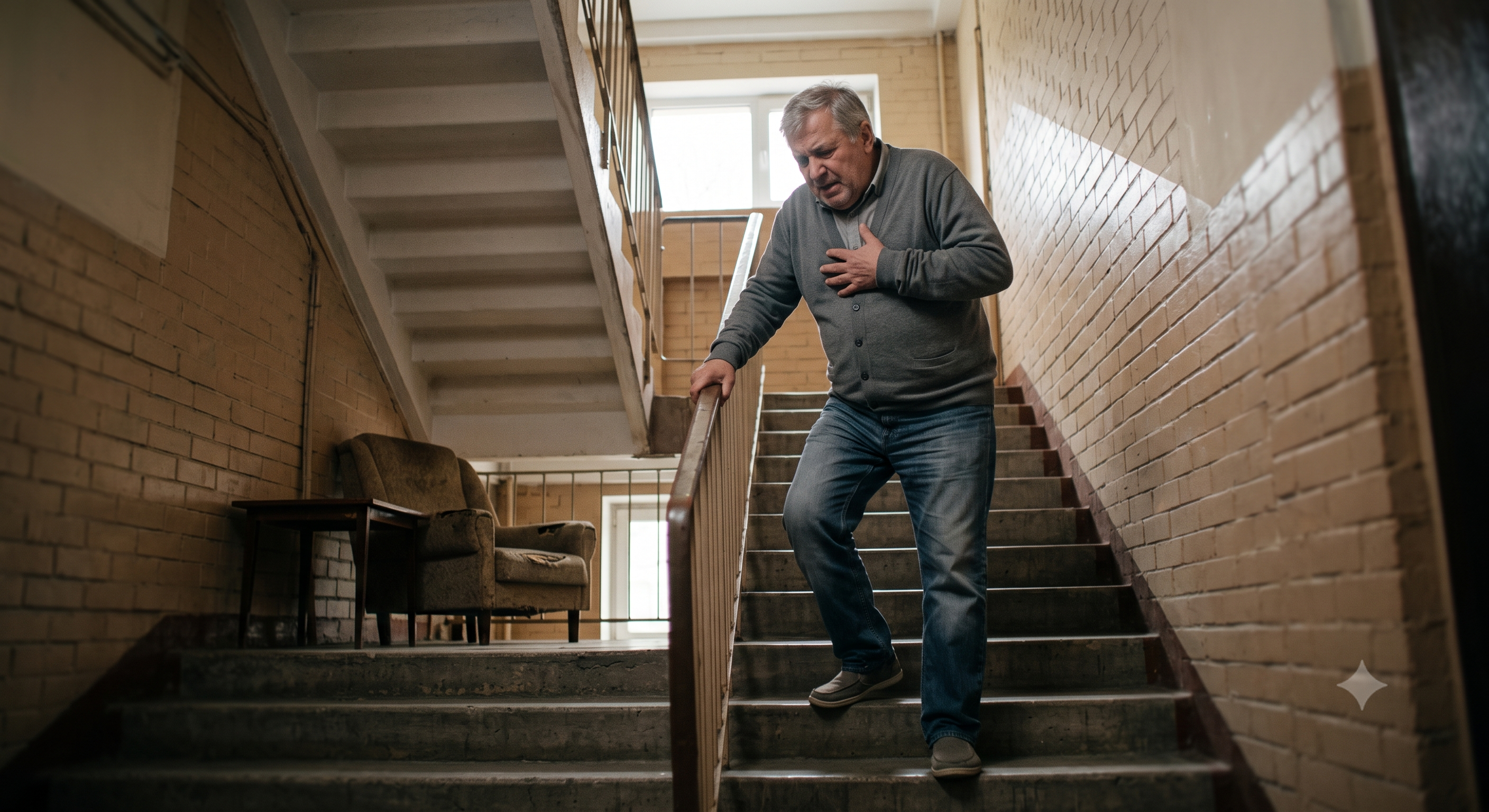
The Landmark Study That Rewrote Heart Health
The paradigm shift surrounding physical fitness stems from a massive, long-term landmark study published in JAMA Network Open by researchers at the Cleveland Clinic. Analyzing clinical data from over 122,000 patients undergoing treadmill stress testing over two decades, scientists tracked all-cause mortality to understand how fitness impacts survival.
The conclusions were stark:
- Unfitness Tops the Hierarchy of Risk: Patients with the lowest cardiorespiratory fitness had a mortality risk up to five times higher than those in the highest fitness tiers.
- Deadlier Than Disease: Low fitness was found to be a stronger predictor of death than traditional clinical risk factors, including cigarette smoking, type 2 diabetes, and diagnosed coronary artery disease.
- No “Ceiling Effect”: Unlike many health metrics where benefits plateau, there was no upper limit to the survival advantage of cardiovascular fitness. Elite performers consistently demonstrated the highest rates of overall survival.
What Is Cardiorespiratory Fitness (CRF)?
Cardiorespiratory fitness measures how effectively your heart, lungs, and circulatory system deliver oxygen to working muscles during sustained physical activity. Unlike simple physical activity (such as tracking daily steps), CRF reflects your body’s actual functional capacity—often measured through VO2 max or Metabolic Equivalents (METs).
A MET represents the ratio of energy expended during an activity compared to resting quietly.
- 1 MET: Sitting quietly watching television.
- 4 METs: A brisk walk at 3.5 mph.
- 8 METs: Jogging at a steady pace.
- 10+ METs: Running or intense aerobic conditioning.
Research shows that for every 1-MET increase in your exercise capacity, your risk of death from any cause drops by roughly 13% to 15%. Moving from completely sedentary to even moderately active yields the single largest jump in lifespan protection.
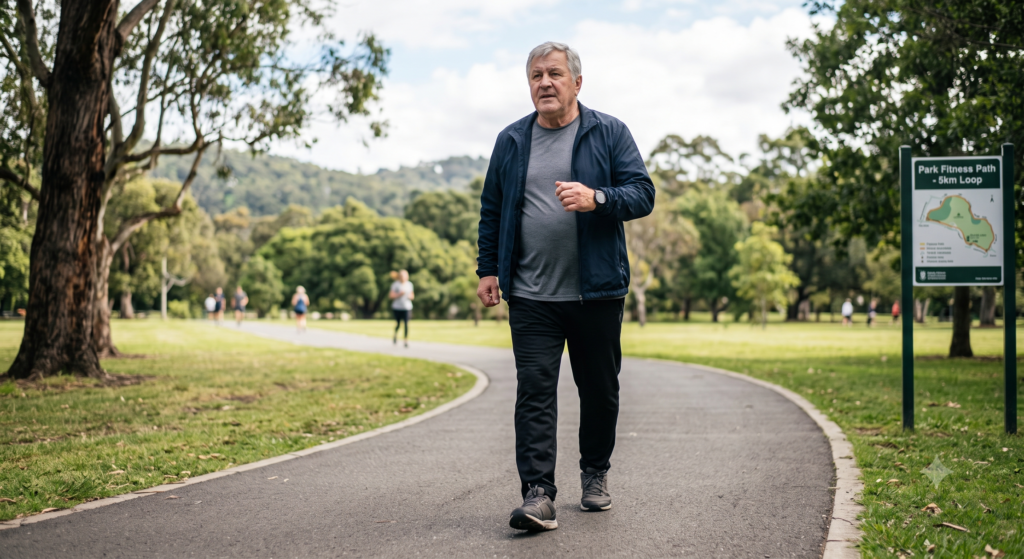
Testing Your Baseline: The Four-Flight Stair Challenge
You don’t need a medical lab to get a general sense of your cardiovascular health. Cardiologists frequently point to simple functional tests, such as climbing four flights of stairs (approximately 60 steps) without stopping:
- Under 40 Seconds (Great): Indicates high cardiorespiratory performance (~10 METs).
- 40 to 60 Seconds (Good): Reflects solid baseline functional capacity.
- 90 Seconds or Longer (Poor): Signals low cardiorespiratory fitness and suggests a strong need to incorporate structured aerobic exercise into your routine.
How to Boost Your Cardiac Fitness for Life
The most encouraging takeaway from fitness research is that cardiorespiratory fitness is highly adaptable. Regardless of age or current condition, consistent cardiovascular effort produces rapid biological improvements in heart efficiency, blood vessel elasticity, and cellular energy production.
To build meaningful cardiorespiratory protection:
- Prioritize Intensity over Volume: Aim for 150 minutes of moderate-intensity exercise (brisk walking, cycling) or 75 minutes of vigorous exercise (jogging, swimming, HIIT) per week.
- Embrace Zone 2 Training: Spending 30 to 45 minutes performing cardio where you can hold a conversation, but not sing, builds mitochondrial efficiency and endurance base.
- Add Short Bursts: Incorporate periodic higher-intensity intervals once or twice a week to challenge your heart rate and raise your aerobic ceiling.
- Consistency Over Perfection: Sedentary individuals who begin exercising for just 20 to 30 minutes a day see significant reductions in cardiovascular risk within 16 weeks.
Reclaiming Control Over Longevity
While genetics and age are factors beyond human control, cardiorespiratory fitness is directly within individual reach. Smoking cessation remains vital for health, but sitting on the couch carries quiet, compounding risks that can shorten life expectancy. By viewing physical exercise not merely as a habit, but as a vital health metric, you can take control of your long-term cardiovascular health.