

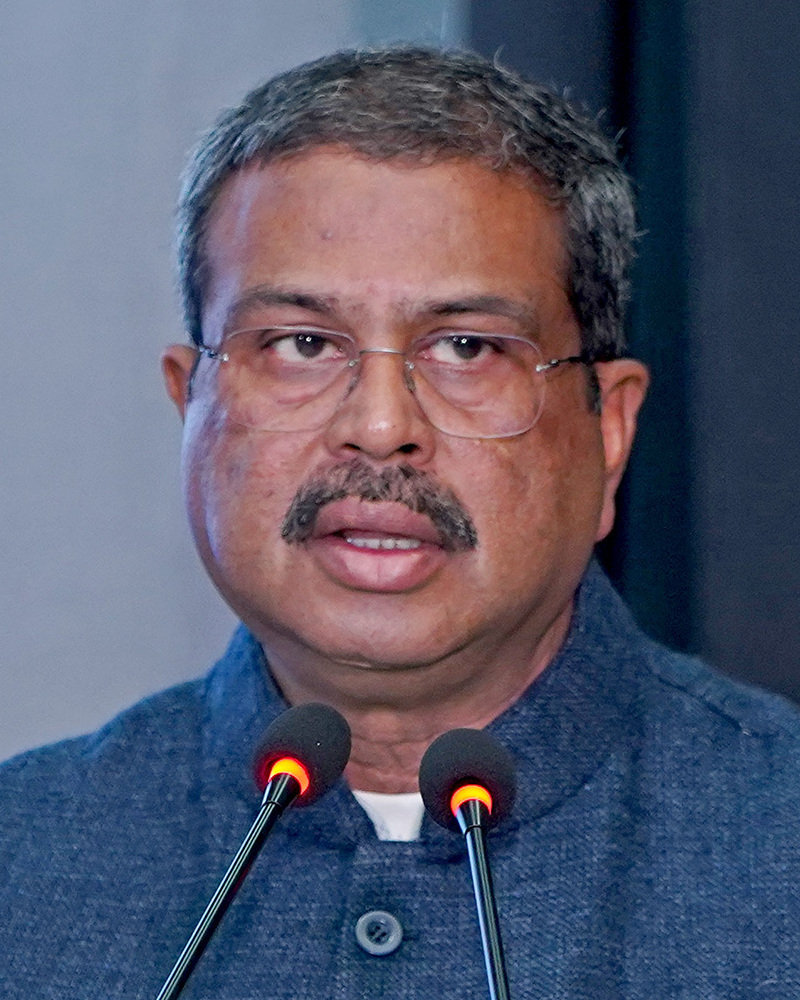
In a dramatic turning point following a month of intense student-led agitation across India, Union Minister of Education Dharmendra Pradhan tendered his resignation to Prime Minister Narendra Modi. The decision came amid nationwide outcry and relentless protests organized at Delhi’s Jantar Mantar and across dozens of cities over widespread exam paper leaks and systemic irregularities surrounding the National Eligibility cum Entrance Test (NEET).
Pradhan announced his resignation via a post on X (formerly Twitter), just hours before a scheduled third round of formal negotiations between government representatives and leaders of the Cockroach Janta Party (CJP), the student organization spearheading the movement.
A Month of Deadlock at Jantar Mantar
The resignation marks a historic victory for student activists who had been camping at Delhi’s iconic protest site, Jantar Mantar, for over four weeks. The agitation was sparked by recurring reports of paper leaks, grace mark controversies, and logistical failures in nationwide competitive examinations that affect millions of medical and engineering aspirants.
As public anger mounted, the CJP put forward three non-negotiable demands to the Union Government:
- Immediate resignation of Education Minister Dharmendra Pradhan.
- Complete legal immunity ensuring no criminal charges or disciplinary action against student protesters.
- Financial compensation and justice for the families of students who tragically died by suicide in the wake of the NEET exam irregularities.
While the government had expressed willingness to concede on the second and third points during talks, it initially resisted stepping down its education chief. However, heading into the third round of discussions, CJP leadership took a firm stance, refusing to continue dialogue unless Pradhan’s stepping down was addressed.
“They used to say that no one resigns in this government,” declared CJP founder Abhijeet Dipke addressing a cheering crowd at Jantar Mantar. “But we have done it. Long live student power.”
The Statement Behind the Decision
In his public statement released on X, Pradhan framed his decision as a step to prevent further political escalation, protect young aspirants from legal uncertainty, and safeguard national stability.
“I hold deep respect for the aspirations, sentiments, and rightful expectations of the youth of this country,” Pradhan wrote. “Realising the dreams of India’s young generation has been the moral resolve of our political and social life. It is my resolve that we will not allow the youth power of the country to be trapped in a web of confusion.”
He added that he submitted his resignation to Prime Minister Modi to ensure that “anti-national forces should not take advantage of the situation that has arisen at Jantar Mantar and across the country, that the unity of the nation remains intact, and that the future of even a single student of India does not get entangled in legal complications.”
Widespread Protests and Political Fallout
What began as a localized demonstration by aggrieved candidates quickly evolved into a nationwide movement. In recent weeks, rallies, sit-ins, and candlelit marches spread across major university towns and provincial capitals, receiving backing from political opposition groups and civil society organizations.
The political pressure was compounded by reports of paper leak kingpins operating across multiple states, pointing to widespread corruption within test delivery mechanisms. For Prime Minister Narendra Modi’s administration, the sustained protests posed a significant challenge, touching a sensitive nerve among India’s vast youth demographic and middle-class households where competitive entrance exams represent a crucial pathway to socio-economic mobility.
Next Steps for Students and the Education Ministry
While Pradhan’s departure marks a high-water mark for the student movement, several crucial questions remain unanswered for the millions of affected students and their families:
- Restructuring the Exam Process: Student groups continue to demand structural overhauls of the National Testing Agency (NTA), full transparency in score normalization formulas, and stricter penal frameworks against paper-leak syndicates.
- Cabinet Succession: The Prime Minister’s Office is expected to announce an interim or permanent successor to head the Ministry of Education shortly to oversee ongoing academic cycles and upcoming competitive testing schedules.
- Fulfilling Commitments: Attention now shifts to the official implementation of the government’s commitments regarding compensation for affected families and the withdrawal of police complaints against student demonstrators.
As celebrations at Jantar Mantar continue, the broader debate on educational reform, institutional accountability, and test security in India enters a crucial new phase.